How a small number of genes produce every color in our pens, and which of those claims are actually published.
We have split this into what is published in peer-reviewed journals and what is breeder convention. Both are useful. They are not the same thing, and we think it matters that you can tell which is which. Where we can show you the trait on one of our own birds, we have.
Every gene below is from a peer-reviewed paper, and we read the source rather than repeating a forum post. Each one links out to it.
Extended brown darkens the whole bird by pushing black and dark-brown pigment out across plumage that would otherwise be patterned. It was traced to a single DNA letter change in MC1R, the melanocortin-1 receptor gene: a G-to-A substitution producing Glu92Lys. Every Extended brown bird in the study was homozygous for Lys92. Because it is incompletely dominant, one copy and two copies do not look the same; breeders call the two-copy bird Tibetan and the one-copy bird Rosetta. MC1R is the same gene that controls dark-versus-red coat and plumage color across most vertebrates, so this is well-trodden ground.
Why it matters: This is the single most important gene on this page for anyone buying Range birds, and not for the reason you would expect. The sexually dimorphic breast, plain rufous on a cock and speckled and pale on a hen, is a feature of the wild-type pattern. Extended brown overwrites that pattern, which is why Range birds cannot be feather-sexed. Anyone telling you to sex a Range bird by the color of its chest is applying a wild-type rule to a bird that is not wild type.
Produces white plumage broken by patches of normal color. Brown spots are present at hatch and grow into wild-type colored regions; the number and pattern of spots stay constant for the bird's whole life. Dotted white was shown to be another allele at this same locus. The strongest candidate gene is EDNRB2, a receptor gene birds use to route pigment cells during development.
Why it matters: This is the published genetics closest to what breeders call tuxedo. We are careful to say closest to. Nobody has published a study confirming that the tuxedo birds sold in the hobby are carrying this exact locus. The paper also records something directly useful to a buyer: unlike wild-type quail, the panda phenotype shows no sexual dimorphism. A white-spotting mutation can remove the plumage difference between the sexes entirely, which is the published version of the practical rule that white-marked birds have to be vent-sexed.
A single DNA letter change in the TYRP1 gene (c.845T>C, giving Phe282Ser) lightens the bird to a soft russet. TYRP1 is an enzyme in the pigment pathway, so a change here shifts how dark the melanin ends up.
Why it matters: This is the interesting one. Roux sits on the Z chromosome, so it is inherited differently by males and females. In birds it is the male that has two Z chromosomes and the female that has one Z and one W, the opposite of mammals. That means a sex-linked color gene can be used to build a cross where you can tell cockerels from pullets by color at hatch. It is the one Coturnix color gene with published evidence for that. We have not test-crossed our birds to confirm which of them carry it.
Several colors that look unrelated turn out to be different versions of one gene. Wild type, yellow, fawn-2/beige and recessive black are all alleles at the same locus, with a dominance order of fawn-2 > yellow > wild type > recessive black. Recessive black comes from an 8-base deletion in ASIP that shifts the reading frame and changes the last six amino acids of the protein. Later work found a very large deletion behind yellow and a 71 kb duplication behind fawn-2/beige.
Why it matters: A good reminder for anyone breeding by eye: two birds that look nothing alike can be carrying variants of the same gene, and they will not combine the way you expect.
Celadon hens lay a soft blue-green egg instead of the usual speckled brown. The shell still contains the same two pigments as a normal quail egg, protoporphyrin and biliverdin, but far less protoporphyrin, which is the brown one. What is left reads as blue.
Why it matters: Because it is recessive, a hen only lays blue eggs when she has two copies. A bird can carry celadon invisibly. It also means you can see the genotype of a hen without testing her. Just look at her eggs. Recent work found celadon shells have more pores but smaller ones, with no measured loss of shell strength and no difference in how well the eggs store.
Birds run the opposite sex-chromosome system to mammals: the male is ZZ and the female is ZW, so it is the hen that carries the odd chromosome. None of that is visible from the outside, and no plumage trait reports it on a Range bird. The check that does work is cloacal examination: in a mature cock the gland just above the vent swells and produces a white foam when gently pressed, and in a hen it does not. Examination of the cloacal region as a means of sexing Coturnix has been in the poultry literature since the 1960s.
Why it matters: Plumage sexing only ever worked on wild-type-patterned birds, and it does not work on Range. Vent examination works on every variety, at any color, once the birds are mature. Two caveats we will state rather than hide: a young or recently stressed cock may not produce foam on the day you check him, and a bird checked too early is easily missed. If a sex matters to your breeding plan, check twice, and check late.
The silver plumage mutation was traced to MITF, a master switch gene that tells pigment cells to develop in the first place. The same gene underlies the blue plumage of chickens.
Why it matters: Shows how much quail and chicken color genetics have in common, which is why poultry research often transfers between species.
Jumbo is not a variety and not a gene. It is the result of choosing the heaviest birds as breeders, generation after generation. Research lines selected divergently for 4-week body weight produced heavy-line quail with more than double the breast muscle of unselected controls, achieved mainly by making muscle fibers larger rather than making more of them.
Why it matters: Two honest consequences. First, jumbo size is maintained by continued selection. Buy jumbo stock, breed carelessly, and size drifts back down. Second, the same research found heavy lines carry more abdominal fat, particularly in females. Bigger is not free.
These names are used consistently across the hobby and describe real, recognizable birds. But we could not find peer-reviewed studies establishing the genotypes below, so we are not going to present them as established fact. The photographs are our own birds, so you can at least see exactly what we mean by each term.
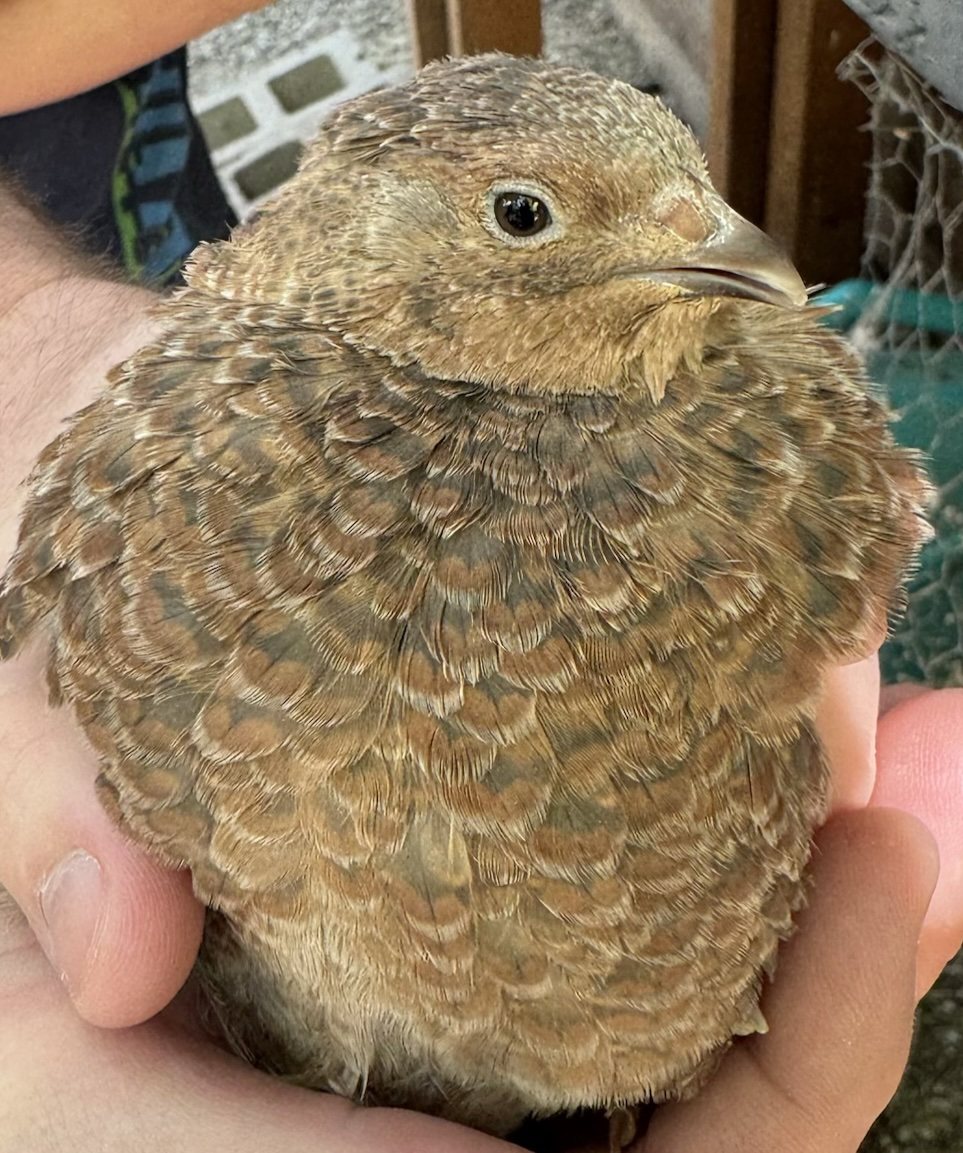
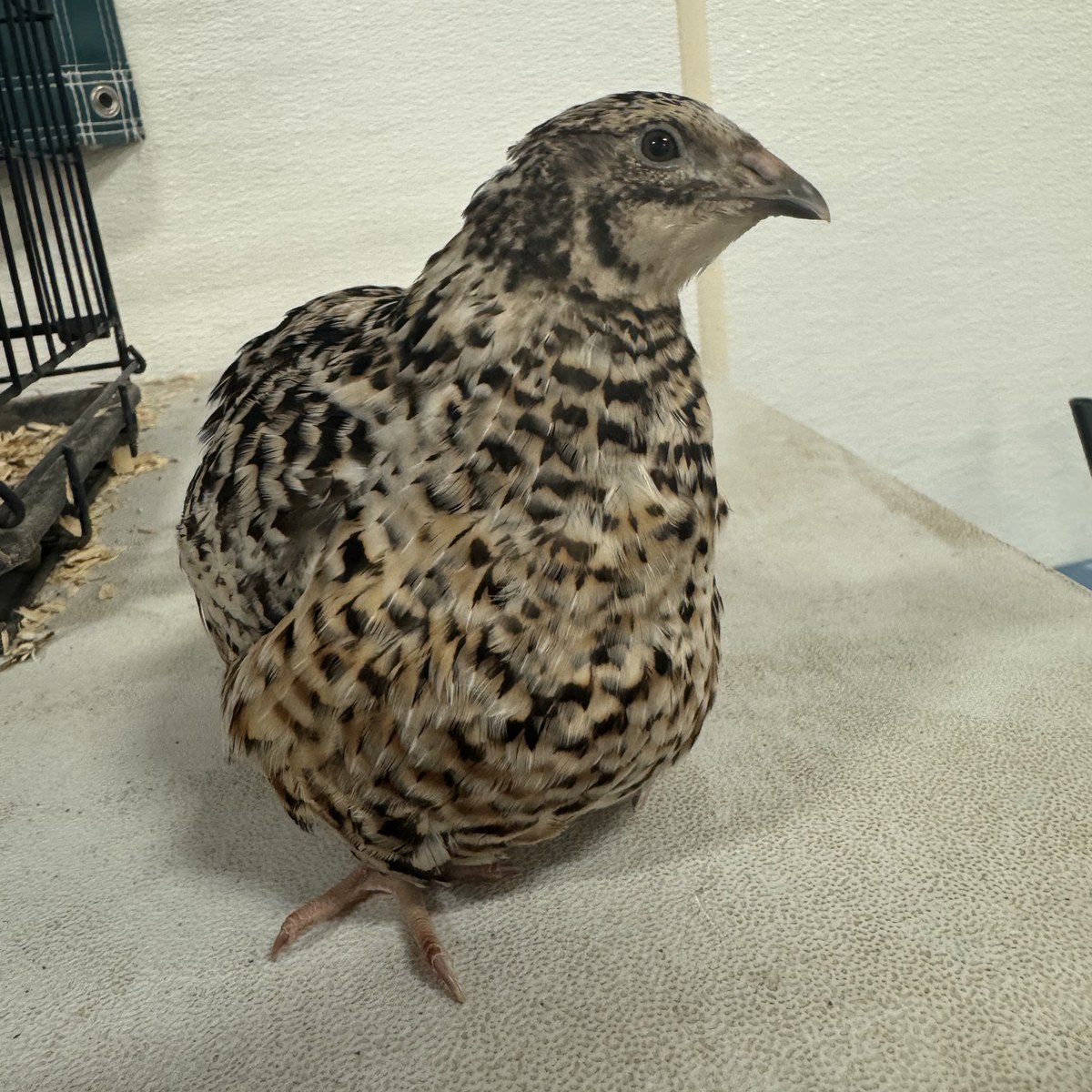
The muted gray-brown, finely scalloped bird you see in Galadriel below. Breeders describe it as extended brown combined with wild type and a red-head factor; the extended brown component is published work (see above), the specific combination is not. Confusingly, the same bird is usually called British Range in the United States and American Range in the United Kingdom, so the name tells you very little on its own. What every source agrees on, and what matters at the pen, is that Range birds are not feather-sexable. One breeder claim we will pass on but not endorse: that Range birds can be sexed by beak color, dark for cocks and light for hens. We have found no documented evidence for it and we do not use it.
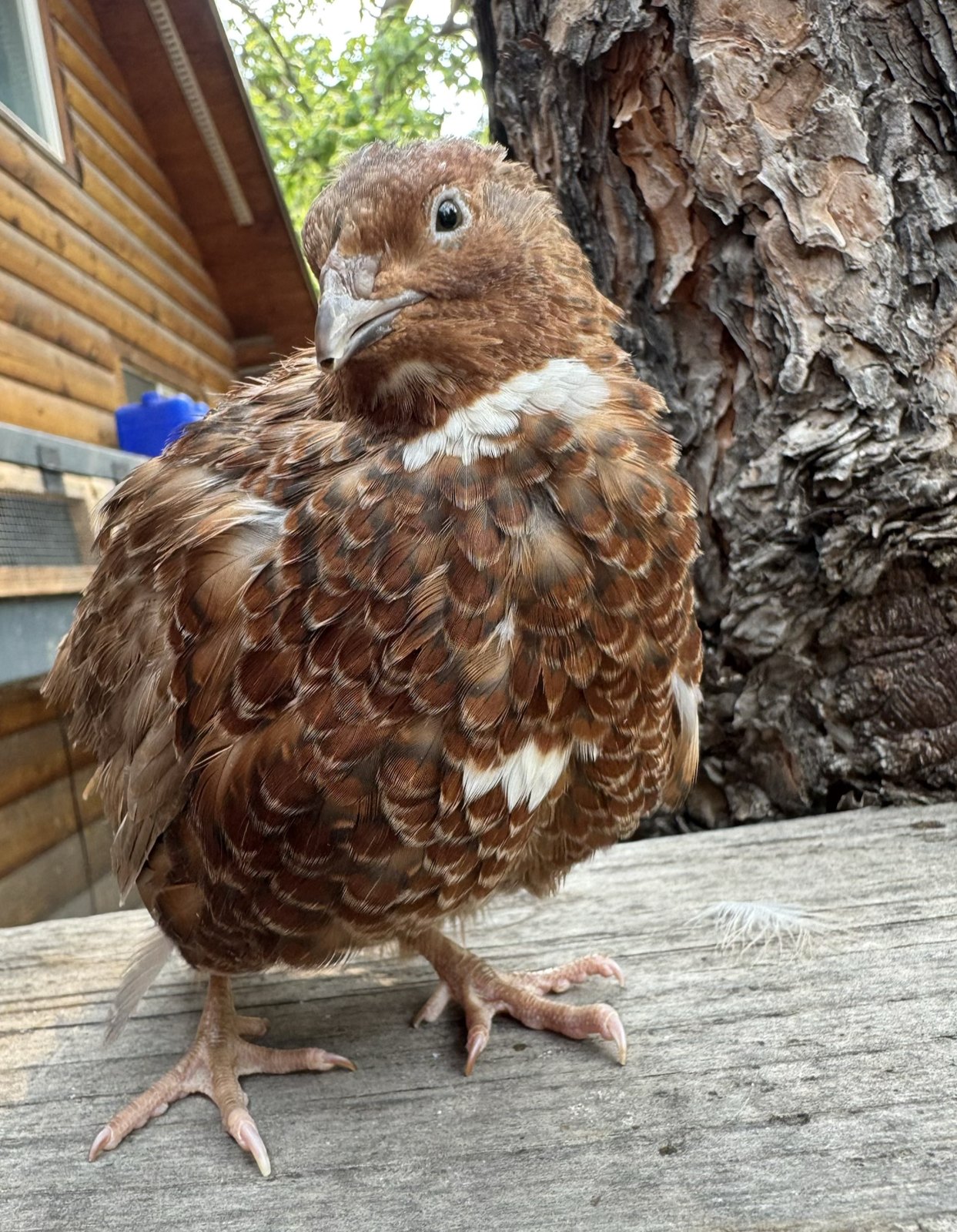
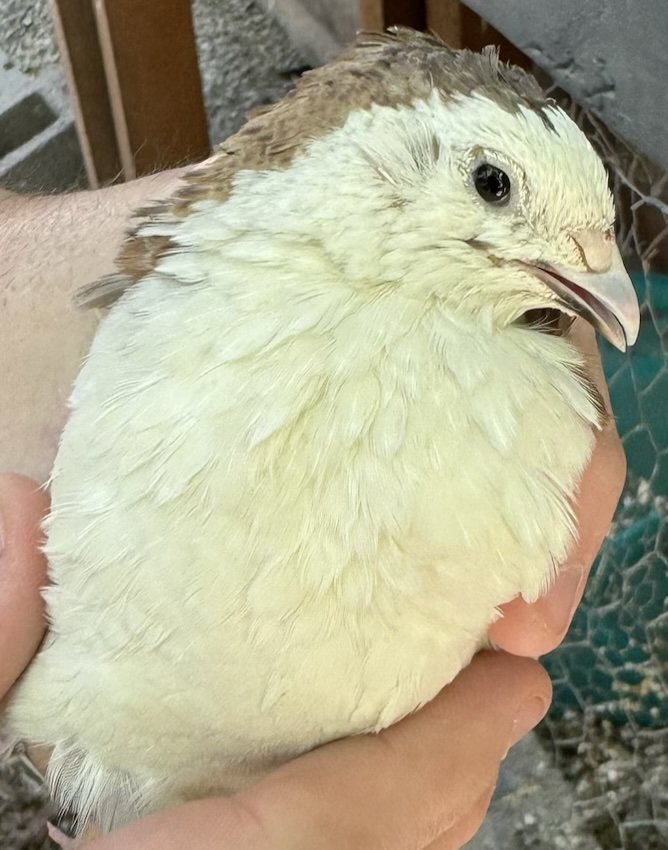
White across the breast and belly, usually with white wingtips, over a colored cap and back. Most likely white spotting at the panda / dotted-white locus described above, but the link between the hobby name and the published locus has not been formally tested. Three things worth knowing before you buy a tuxedo bird. First, the amount of white varies enormously between birds carrying the same label. Compare Aragorn and Samwise below. Second, tuxedo birds are not feather-sexable either, so the label does not tell you what you are buying without a vent check. Third, and this is the one that costs people money: white on the chin alone is not the same thing. See white bib, next.
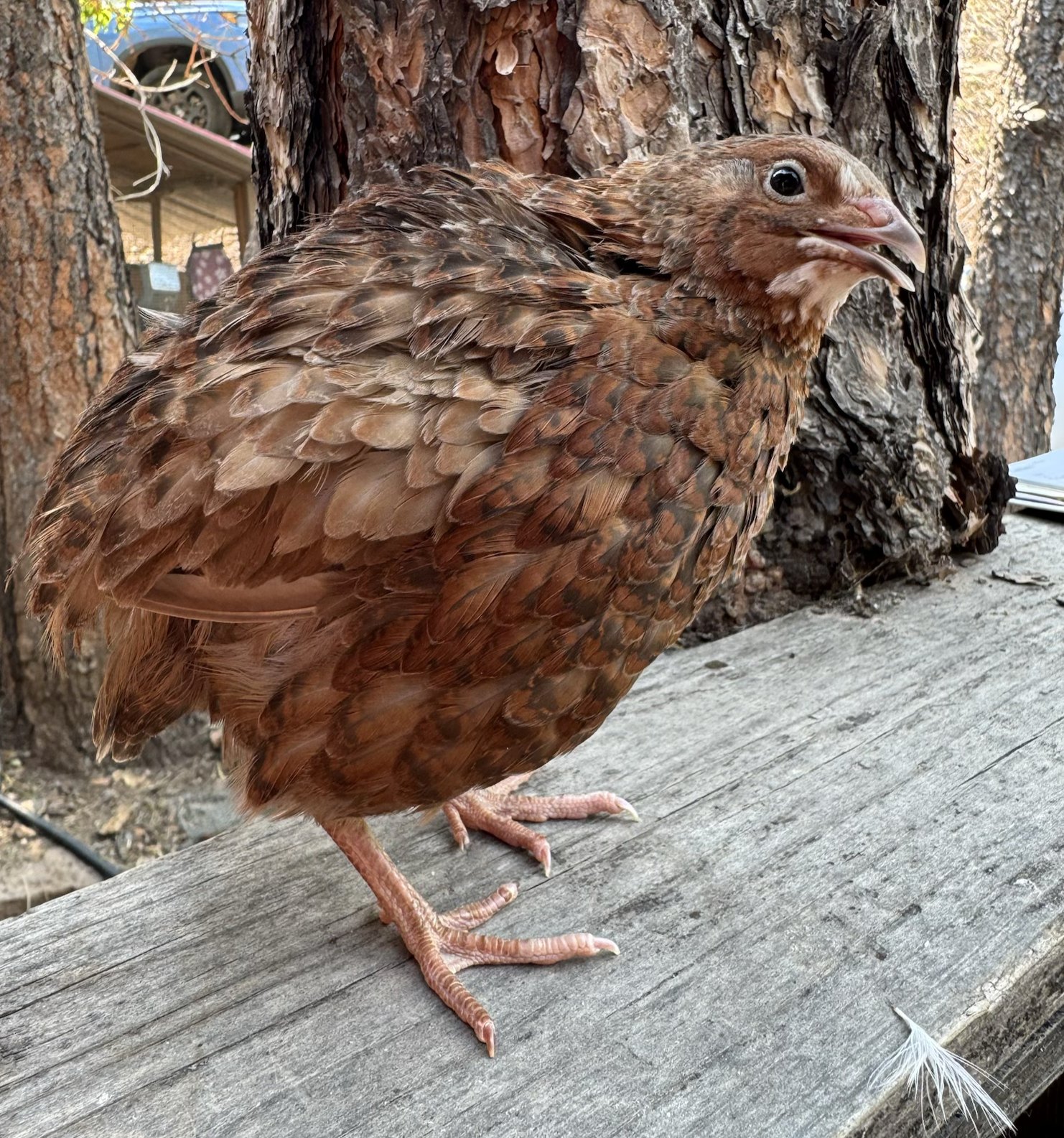
A patch of white under the chin only, with no white on the breast and none on the wingtips. It is a real and repeatable look. Breeders report that birds showing it produce a fairly consistent phenotype, and that it can be selected for more or less white across the face. But its status is genuinely unresolved. Breeder sources state plainly that white bib “has not been well-studied, and some breeders believe it to be a natural expression of EB instead of a separate mutation altogether.” EB is extended brown, the gene every Range bird carries by definition. There is no published study, no locus, and no test. The practical difference matters if you are buying for color. If the chin white is tuxedo, it should show up in the chicks. If it is just an expression of extended brown, breeding for it may get you nothing at all. We are not willing to charge tuxedo prices for a chin patch, so a bird with white only under the chin is listed here as white bib, not tuxedo. Eowyn is our example. If tuxedo chicks are what you want, buy a bird with white on the breast.
Described in the hobby as a diluter that strips pheomelanin, the red-to-yellow pigment, while leaving eumelanin, the black pigment, in place. The result is a bird pulled toward black, white and gray with the pattern left readable, which matches what we see on Faramir and Legolas below. Breeders report that one copy leaves some brown tones and two copies give a cleaner result, and the trait is named by its base color: Falb Fee over wild type, Pearl Fee over fawn, Grau Fee over extended brown. It is reported to have arrived in the United States before 2018 in the German Pastel collection and to originate in Bavaria. We could find no published gene, locus, linkage group, or peer-reviewed study for Fee at all, and breeder sources say the same. The trait is real and repeatable in breeders' hands; the genetics behind it are simply not in the literature. Note also that Fee is described as not changing the underlying pattern, so it neither creates nor removes feather-sexability. On a Range base, which is not sexable to begin with, it changes nothing about how you sex the bird.
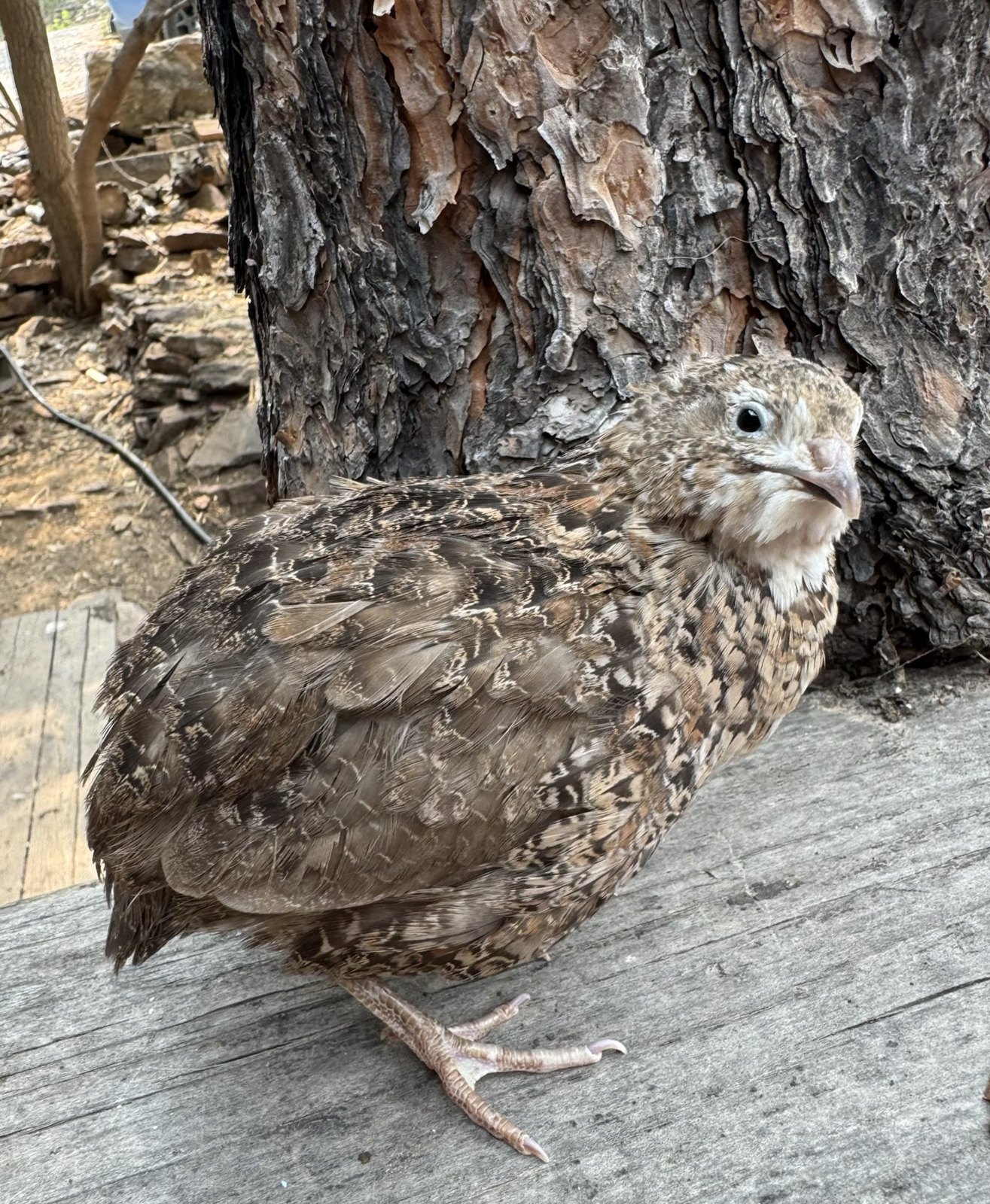
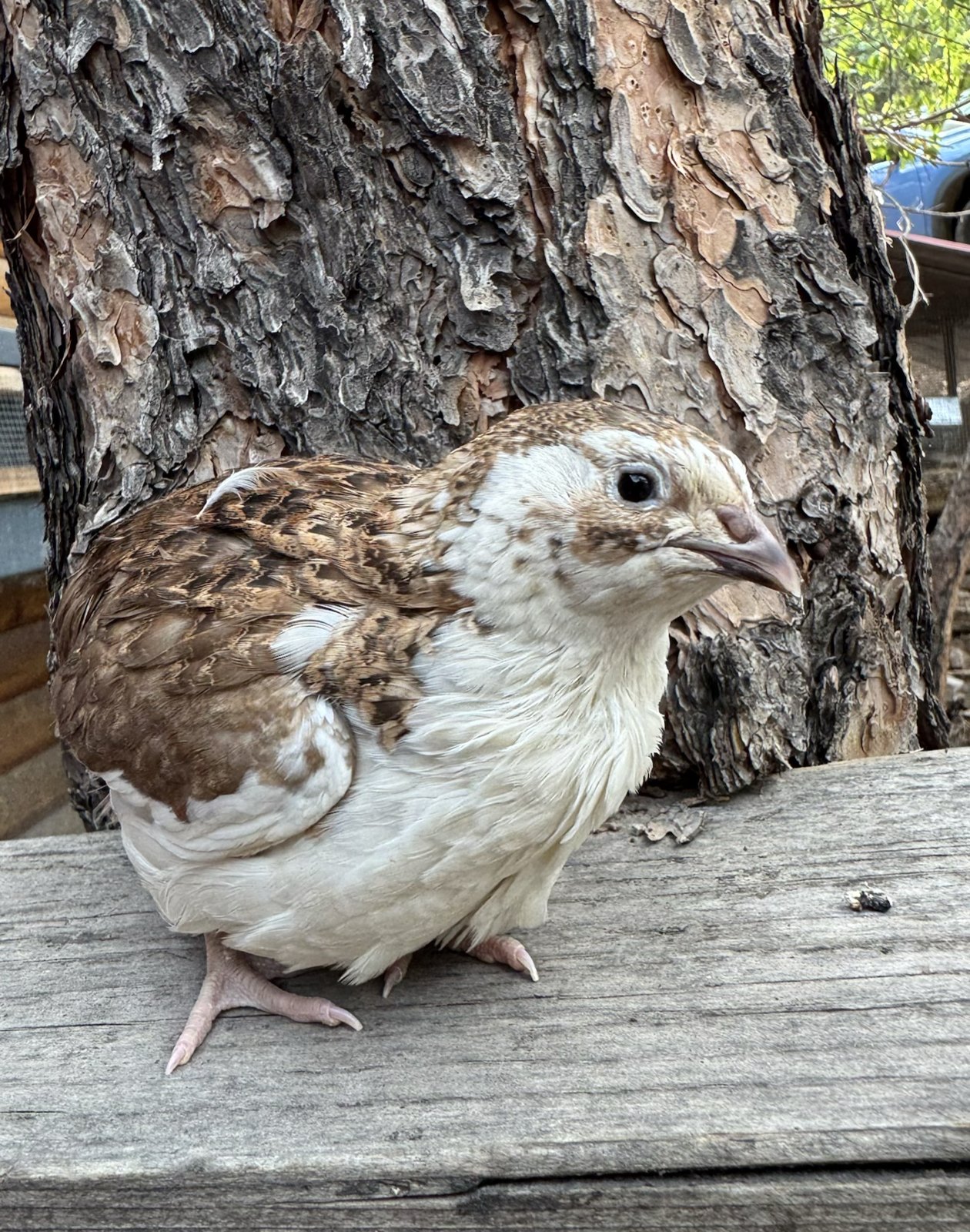
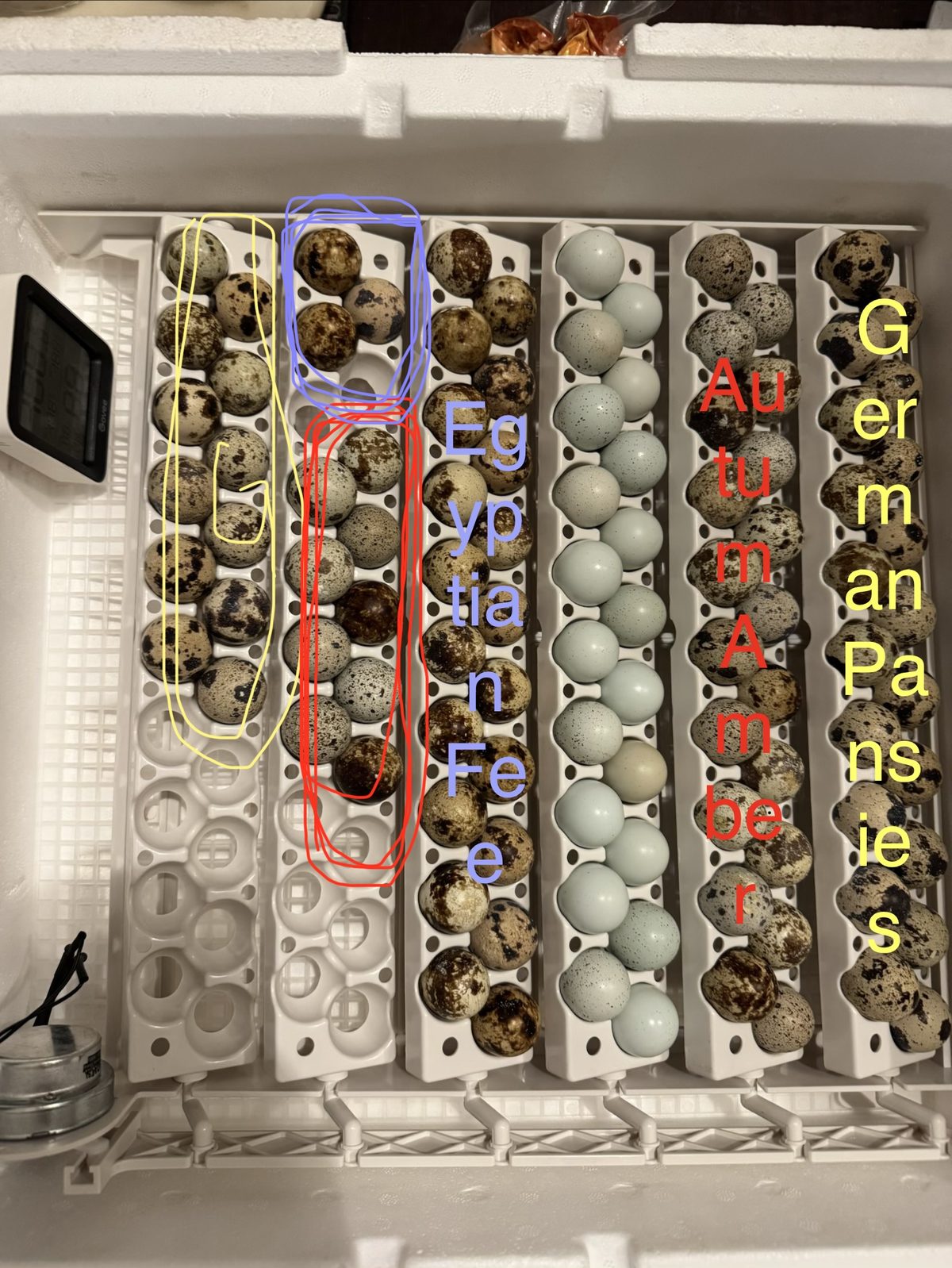
Celadon is the one trait here with a clean published answer: autosomal recessive, affecting the egg and not the bird. That has a practical consequence for anyone buying a Range bird hoping for blue eggs. Because celadon is recessive and invisible in the bird, a Range bird cannot be looked at and called celadon. A hen proves herself by laying a blue egg; a cock proves nothing until his daughters lay. Any Range Celadon bird sold on appearance rather than on eggs or a test cross is being sold on hope. Our Range birds come out of a pen where both parents are proven celadon layers. That is why we can say these birds carry two copies: it is provenance, not appearance. Two homozygous parents can only produce homozygous offspring, so every daughter out of that pen lays blue and every son passes it on. We will not call a Range bird celadon on looks alone, and neither should anyone selling you one.
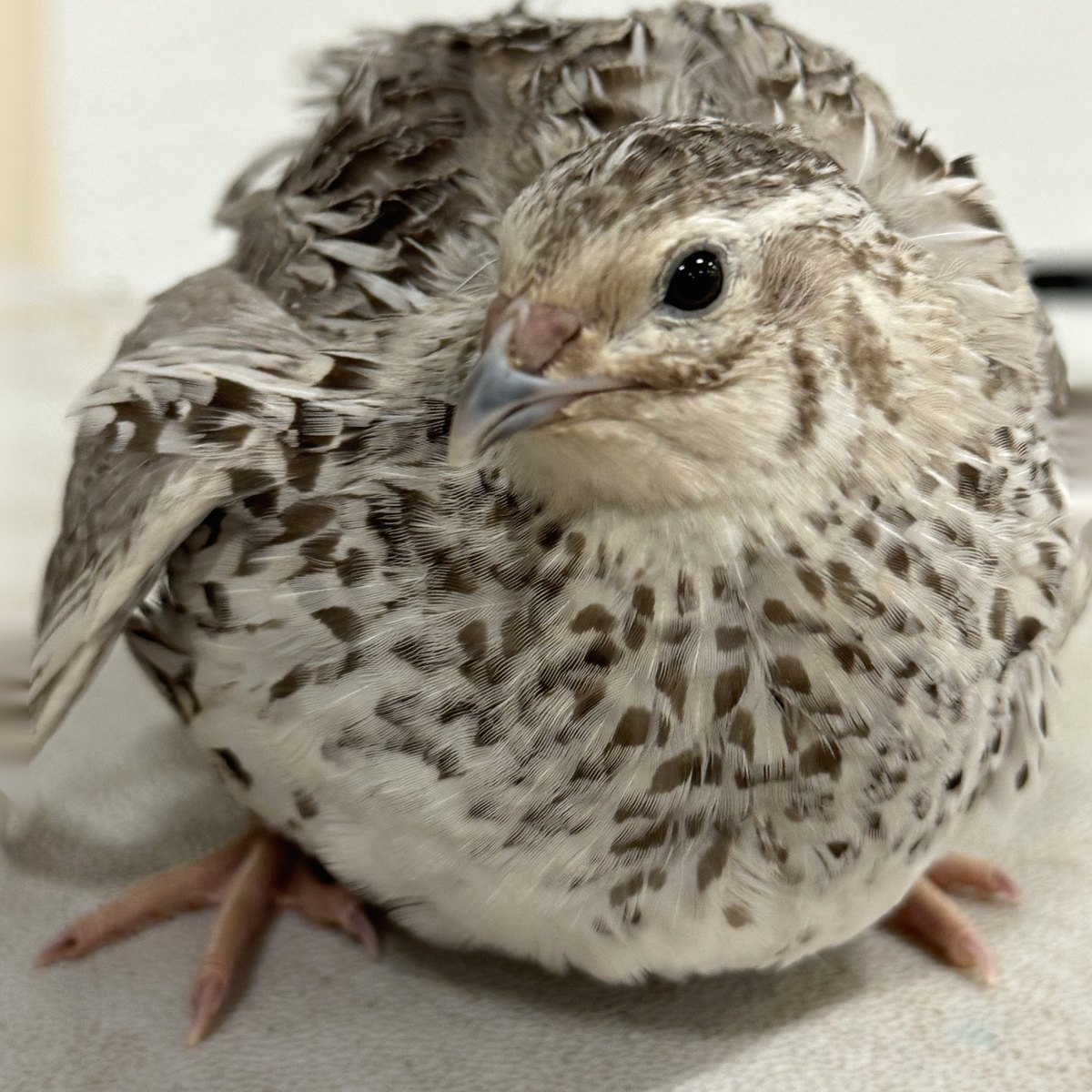
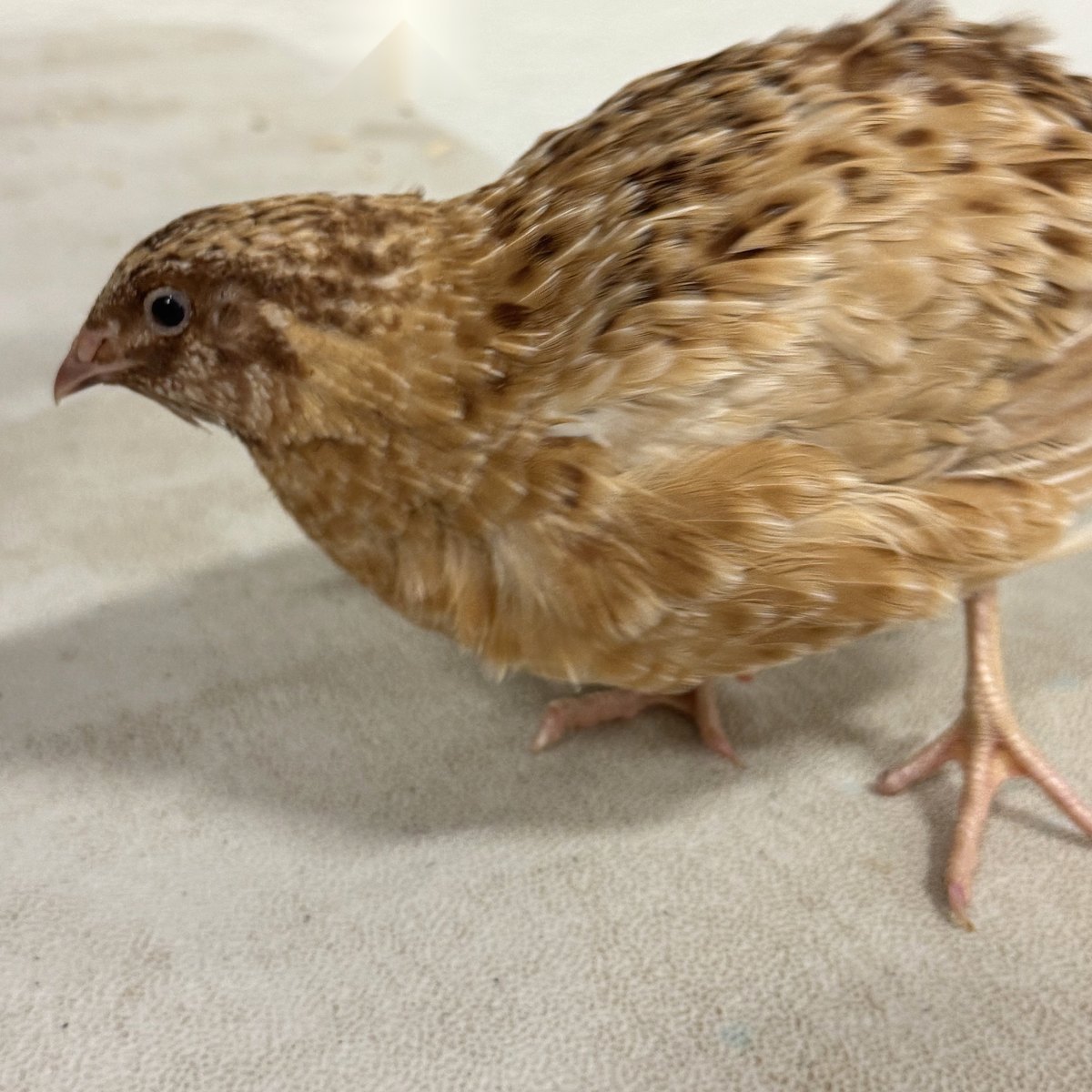
Generally given as a roux-and-dilution combination on a wild-type base, producing a bird lighter than a Pharaoh. Breeder consensus rather than published work.
Both are extended brown, which is published: breeders call the two-copy bird Tibetan and the one-copy bird Rosetta, which is consistent with extended brown being incompletely dominant. The gene is established; the naming convention is the hobby's. Like Range, neither is feather-sexable.
Line and color names used by breeders. They describe consistent, recognizable birds, but they are marketing and community names, not scientific designations, and different breeders do not always mean the same thing by them.
Sources were read and checked in August 2026. If you spot an error, please tell us. We would rather fix it than repeat it.